A Reflection on “Second Nature”
*This Exhibit is currently at The Nasher Museum of Art in Durham, North Carolina. It is free and on display until January 5th, 2025.
The term “Anthropocene” refers to the current era in Earth’s history, where human activity has become the dominant force affecting the planet’s climate and ecosystems. While the concept is not yet officially recognized as a geological epoch, it has become a powerful tool for understanding humanity’s impact on Earth. Many scientists, artists, and scholars use the term to frame discussions around global environmental changes caused by humans. The Anthropocene raises important questions about our relationship with nature, the consequences of industrialization, and the future of our planet.
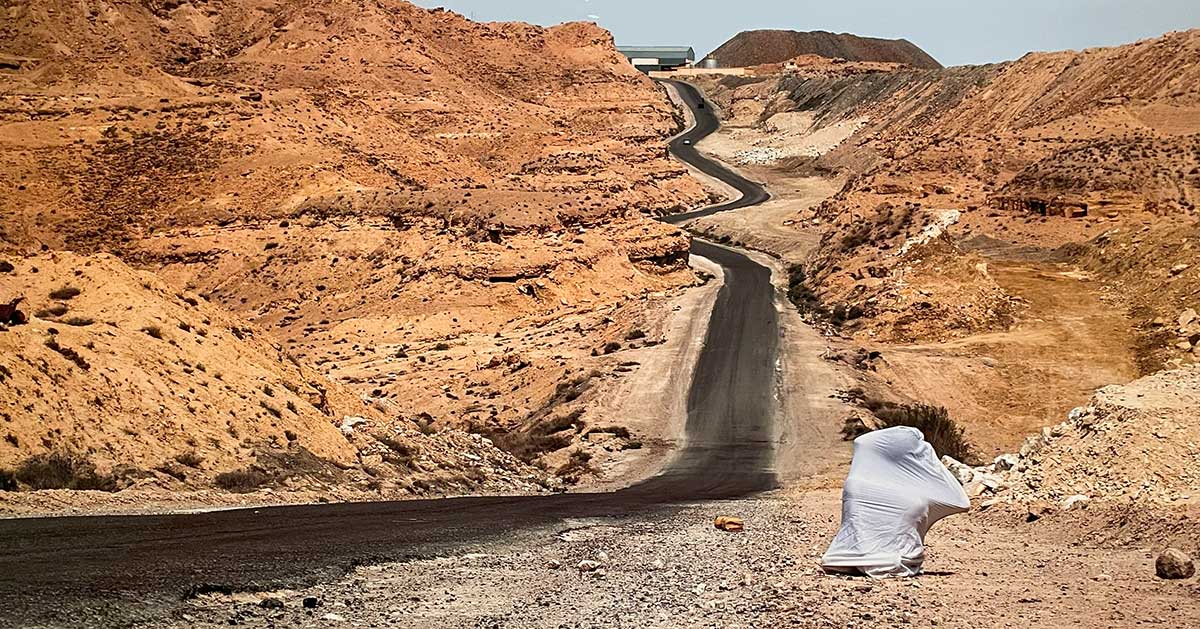
One fascinating way this concept is explored is through art. The exhibit Second Nature brings together artists from around the world to reflect on the landscapes of the Anthropocene, illustrating the deep transformations of our planet due to human influence. This exhibit is divided into four thematic sections, each offering a unique lens on the human impact on Earth and encouraging visitors to consider the potential futures we are shaping.
Reconfiguring Nature
The first theme, Reconfiguring Nature, invites viewers to see how human intervention reshapes landscapes. Artists in this section reflect on how the natural world is increasingly intertwined with urban environments and technology. The boundaries between what is “natural” and what is “man-made” are blurred, leading to striking artistic representations of the built environment merging with natural ecosystems. This theme illustrates how cities, factories, and industrial complexes have altered the earth’s surface, leaving an indelible mark on nature itself. These changes often go unnoticed in our daily lives, but they represent a significant shift in the way humans interact with the planet.
Toxic Sublime
Toxic Sublime takes a more dystopian approach, exposing landscapes of destruction and poisoned environments. This section confronts the grim reality of ecological damage caused by industrial activity, pollution, and environmental degradation. The works in this section highlight the destruction of habitats and the toxic consequences that follow. Artists here focus on landscapes rendered uninhabitable by human activity, exploring how environmental damage not only affects the land but also our collective psyche.
In this theme, viewers are confronted with disturbing beauty—striking, almost sublime visuals of environmental destruction that evoke a complex mix of awe and horror. These pieces offer a sobering reflection on the lasting impact of humanity’s drive for consumption and growth at the expense of the natural world.

Inhumane Geographies
The third theme, Inhumane Geographies, critiques the relationship between colonialism, capitalism, and environmental exploitation. This section highlights how colonial legacies have created systems of extraction and exploitation that prioritize profit over people and the environment. The artworks here offer a stark look at the human toll of environmental degradation, particularly for marginalized communities in the Global South, whose lands have been exploited for resources to fuel the industrial economies of wealthier nations.
The theme resonates powerfully today, as countries with fewer resources often bear the brunt of environmental degradation caused by wealthier, industrialized nations. By spotlighting these injustices, the artists encourage viewers to reconsider their own complicity in systems of exploitation that are both economic and environmental.
Envisioning Tomorrow
Finally, the theme Envisioning Tomorrow takes a more forward-looking approach, asking what possible futures might emerge in the Anthropocene. The artists in this section engage with speculative design and offer radical visions of new ways to live on Earth. Their works imagine alternate realities in which humans and nature coexist in more harmonious and sustainable ways. These pieces present a hopeful challenge: can we re-imagine our relationship with the planet before it’s too late?
Art as a Catalyst for Change
What makes Second Nature so compelling is its ability to break through the cognitive dissonance that allows many of us to ignore the consequences of our actions. In the same way that the 2023 film Zone of Interest explores the dissonance of a family living near Auschwitz, Second Nature seeks to break down the walls of perception that allow us to remain disconnected from the environmental devastation happening around us. Many of us, particularly in the Global North, live comfortably insulated from the dramatic effects of climate change and resource extraction, while communities in the Global South face these realities daily.
The exhibit forces viewers to confront uncomfortable truths about environmental colonialism and unchecked capitalist greed. Artists from around the world, particularly those from the Global South, are at the forefront of this critique, reminding us that the consequences of environmental destruction are not equally distributed. Those who benefit least from global capitalism are often those most affected by its environmental impacts.
Second Nature is a provocative and essential exhibition that brings the Anthropocene into focus through powerful artistic expression. It challenges us to question our role in shaping the planet’s future and pushes us to confront the uncomfortable reality that our actions have irrevocably altered the Earth’s landscapes. Through its various themes, the exhibit asks us to reimagine our relationship with the natural world and consider what kind of future we want to create for ourselves and generations to come.